Monday, June 2, 2014

Journal Entry: June 2, 2014.


Journal Entry for June 2, 2014:

We’ve been in the Indiana Territory for many months now, and progress has been made but it’s still unclear whether the outpost will be ready when English Jonny and his Sherpa porter arrive. There is some confusion because Jonny is unaware that the Indiana Territory is, in fact, west of his New England home.  Like most Brits and Great Brits (and unlike that of most Americans) Jonny’s grasp of world geography is tenuous at best.

Jonny departs; heads west


Heads east?

English Jonny on earlier trip


But his porter is the one they call “Z”, who is reputed to be good and can speak and write English. 

The one they call "Z" brings whisky
 

I have secured wood for the fire pit and believe there is enough.  Recently, I set out in the hopes of finding meat and was pleasantly surprised when, instead of the weeks’ long journey I was expecting, I found a trading post just 15 minutes away.  The meat vendor would not accept beads or several beaver pelts but would take only cash money. I had some and was able to procure the rib portion of a hog.  With my Bowie knife I made short work of the portions and, having produced fire, was able to cook it.  Unfortunately, I fear it will not last until Jonny and the one they call “Z” arrive; we will probably have to procure more.  Whisky stores appear sufficient at this time, though the men* continue to drink them at a pace that must be checked if we are to have enough. [*Editor's note: there is currently only one man at the Indiana Territory outpost.  It's Brayshaw.]


The women and children here are pleasant enough and work hard, but the demands they place on my time are remarkable.


I have tried to convey the gravity of the situation to them, but so far they seem unwilling or unable to appreciate the importance of scouting new water routes and tying flies.  


I can only hope they will be able to fend for themselves once Jonny, the one they call “Z” and I begin our explorations, lest we return to find the outpost deserted or, worse yet, occupied by the natives.


We have seen no bears yet.


Monday, May 26, 2014

May

May is best. The in-laws live on the border of CT and NY. After a delightful supper with Z and his bride the evening before, it was brook trout in the yard and wild brownies in the hills of the local Reservation. After recent rains and falling, stained streams, the fish were more than willing, as they usually are in May. But first, we'd sharpen up at our Guilford pond.

Traditional verge cutting in Guildford, CT.
Size 12, long shank, 2x strong.
First of the year. A good one.
NY reservation turkey
The sky held.
As perfect a stream as I know.
Wild brown trout

Scenes from the Reservation, NY

The Old Oak, down but still there.

Wild brownie.
NYC tap water.


Back in the Yard.
 
A Native.


English Jonny, in clover.
Yellow Stone.


Large, Wild Eastern Brook Trout.

I married well.

Jonny


Wednesday, May 7, 2014

Fresh

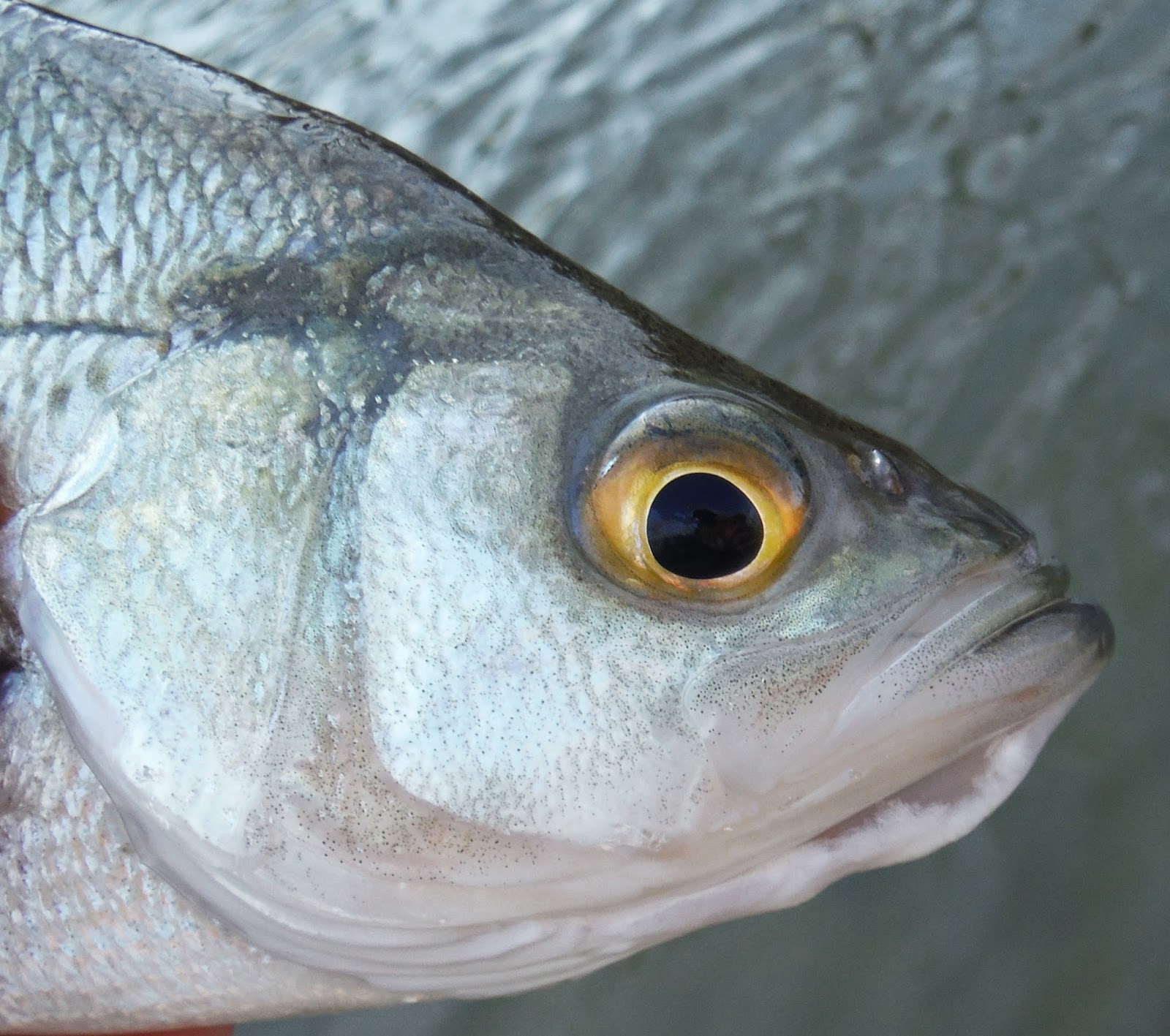
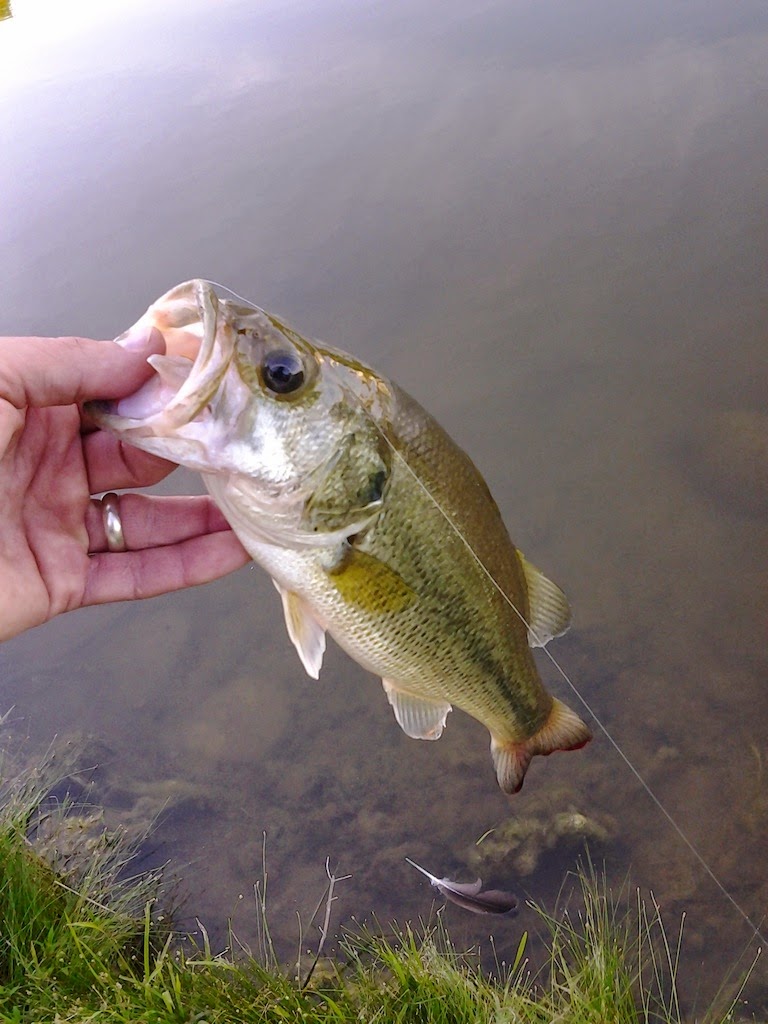
It’s interesting to consider that at the very same time that Jonny’s coastal stripers are beginning to wake, our own land-locked cousins, the white and yellow bass, are doing the same. Their small size and willingness to bite give them an innocence one doesn’t tend to associate with their salty kin, but as I said a year ago and repeat here now: the spring bass run is exactly as it should be…more so after a winter like that we just had. 


I’ve yet to luck into any large whites – the egg-laden females that can be 16 inches or more and push two or three pounds – but a few of this spring’s fish have been better than last year’s, and the few yellow bass I’ve caught have been quite impressive (for yellow bass.) Today, though, the fish were hard to come by. My wife and I spent a leisurely morning on the stream, her mostly after warblers and I after bass. I managed just two, but together she and I saw just short of a dozen species of warblers (Yellow, Yellow-rumped, Bay-breasted, Palm, Blackburnian -my favorite, Prothonotary, Magnolia, Golden-winged, Chestnut-sided, Yellow-throated, Waterthrush and Common Yellowthroat).


Yellow bass are handsome


T.J. Brayshaw is handsome

It's how I roll (cast)


This Prothonotary came in close

What you usually see

Sunday, April 20, 2014

Salt

I lost a fish last night that I never saw. Unlike the hundreds of bass* that come to hand every year, this one went straight to the reel, took lots of line, and fought like a big fish: dogged, heavy,  slow and in control. I never saw it. I played my only card, backing up ready to bully the fish onto the shells. She was almost there when the line came back with a piggy tail - a failed knot.

This was the second night at The Mouth, and I can't complain. The first night stripers were rolling on the surface a rod's length away, swirling at whatever fly was dapped over the surface, even on my inappropriate sinking line. Dozens* of bass were caught as the spring migration kicked into gear.

As is often the case, the second visit saw bigger fish in the mix (I have no idea why). Todd got the first keeper of the year. We helped him land and photograph it - a celebration all round. The fishing was very good, but we agreed that the sunset and migrating birds were the best thing about the whole sweet relief of winter's departure. A spring estuary is one hell of a place to be on the opening day of trout season. Some of us said we should leave the rods and just bring cameras next time, and I'd like to think we could do that if we wanted to. 

We took these photos. The best ones - and probably some of the finest I've seen from this spot - were shot on a phone by my pal Tommy Baranowski, local fly fisherman and guitarist. Phones are getting better at being cameras, but don't be fooled. Tommy is good at this shit.


It was great to see Joe again.
By Tommy B.

Tommy B.

TB


Or not TB (though this was TB).

Fly by TJ Brayshaw (as they all were).


English Jonny shoots the boys.

The Norwegian with a keeper.
 
*Dozens is more realistic. Think about how many trips per year you would need to make, and how many fish you'd have to average per trip, to make it "hundreds" of stripers.

Suppose you went twice per week from April 15 to November 15. That's seven months, or about 28 weeks. Twice per week would be 56 trips. Two stripers per trip would put you at 112 fish for the year. That's more than 100, but does that make it "hundreds"?  And do you fish for stripers twice per week for seven straight months? And what's a reasonable per trip average?  Sure, a few days at the mouth of the Housy could net you many dozens of fish, but even so. Think of the number of trips that turn up no fish at all. Do you not have these?  And doesn't "hundreds" imply multiples of 100?  As in, maybe, 200 or more?
Think about that. 

EJ

Saturday, April 12, 2014

A walk with Bill

We met today to practice our single handed casting. I'd fished the river last week and it was running the right side of high. Today we were astonished to find it at summer levels already - a lot less fishable water between short plunges and slow-moving shallows. Many of the wild steelhead you find here had been flushed out by recent rains. But it was warm and stone-flies filled the air and tried to get down my shirt. I enjoyed playing leap frog down the stream with Anonymous again, reading water together and feeling the sun; a reminded that New England is, after all, a sensible place to live. 

LIS Steelhead.
 
Anonymous fishes dry.
Nice looking net. 

Covering a rise.
 
Steelhead Creek - summer levels.


EJ